Choosing between a manual and a hydraulic material lift stacker comes down to how you want to lift loads in your warehouse and how much you want to pay. Both of these adjustable carts are aimed at warehouses, workshops, factories, and logistics centers, and they share core dimensions. The key difference is the lifting mechanism, which shows up in the listed price.
Quick Verdict
The two stackers are nearly twins in physical setup: adjustable fork distance from 5.51 to 20.28 inches, a 40-inch lifting height, a 330-pound lifting capacity, and 2.76 by 18.19-inch forks. The manual version is the lower-priced option, while the hydraulic version adds a hydraulic lifting mechanism for a higher listed price. Choose the manual if you want the lower listed price; choose the hydraulic if you want that lift action.
At a Glance
| Feature | Manual Lifting Stacker | Hydraulic Lifting Stacker |
|---|---|---|
| Lifting Action | Manual lifting | Hydraulic lifting |
| Listed Price | USD 249.03 | USD 272.76 |
| Price Bar | ||
| Lifting Height | 40 in | 40 in |
| Fork Size | 2.76*18.19 in | 2.76*18.19 in |
| Adjustable Fork Distance | 5.51-20.28 in | 5.51-20.28 in |
| Assembly Required | Yes | Yes |
The $23.73 Difference
The price spread between the two models is straightforward: the manual version is listed at $249.03 and the hydraulic version at $272.76. That $23.73 difference is the cost of choosing a hydraulic lifting mechanism on an otherwise identical cart. For a small operation watching expenses, that gap may matter more than the lift action itself.
Where the Manual Version Wins
The manual lifting stacker is the lower-priced option in this head-to-head. It shares the same physical platform as the hydraulic model, so you get the same lifting specifications without the higher listed cost. For buyers who do not need hydraulic assistance, this is the straightforward way to get an adjustable pallet stacker into a warehouse, workshop, or logistics center. It is the pick when the listed price is the primary concern and manual lifting is acceptable.
Where the Hydraulic Version Wins
The hydraulic model trades the manual lifting mechanism for a hydraulic one. If your warehouse routine benefits from hydraulic lift action, this is the version to choose. It carries the higher listed price, but it brings the hydraulic approach to the same adjustable cart design. The hydraulic mechanism is the key difference between the two models, so buyers who specifically want that action should consider this one.
Product Notes
Material Lift Stacker Manual Lifting Pallet Truck
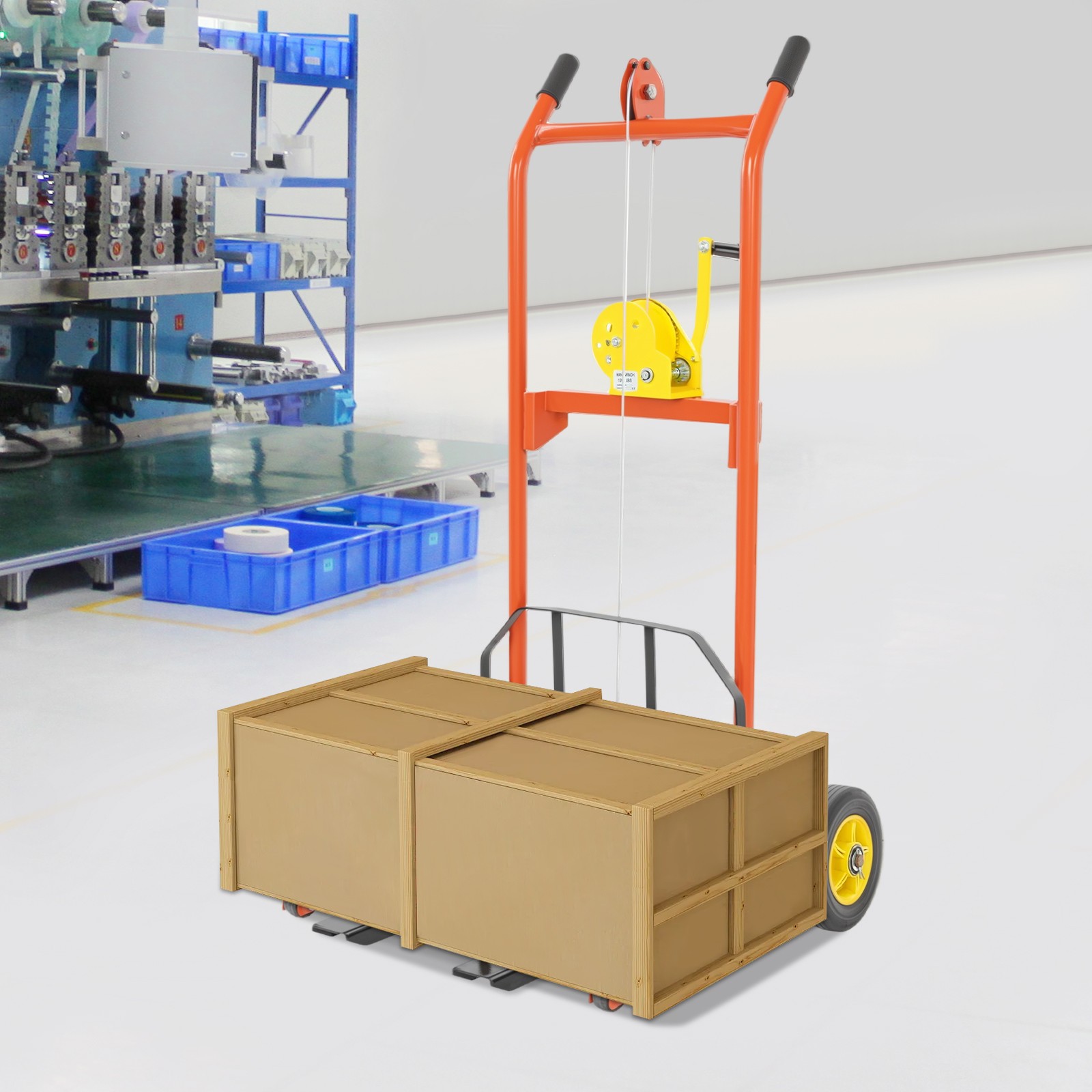
This manual adjustable cart is the lower-priced pick in this comparison. It is offered in yellow or orange, and the steel frame is finished with paint spraying. It shares the same platform as the hydraulic sibling, so you aren't sacrificing the core lifting specs. Intended for warehouses, workshops, factories, and logistics centers, it is ready for those settings. One limitation: if you want hydraulic lifting action, this manual model won't provide it. If you're comfortable with a manual lifting stacker and want the lower listed outlay, this is a straightforward choice.
Material Lift Stacker Hydraulic Lifting Pallet Truck
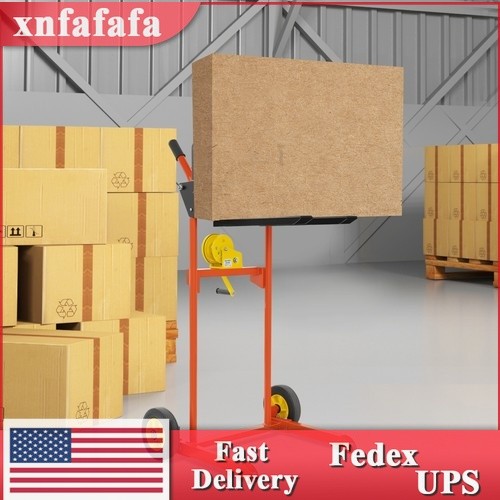
This hydraulic version brings hydraulic lifting to the same adjustable fork platform. It is also available in yellow or orange and uses a steel frame with a painted finish. It matches the manual model on the key measurements, so you get the same core platform. The hydraulic action is the main reason to choose it over the manual cart. The trade-off is the higher listed price. For a warehouse, workshop, factory, or logistics center setting, this hydraulic stacker fits the same intended uses. If hydraulic lifting is what you're after, this is the one.
Final Choice by Use Case
If you want the lower listed price and are fine with a manual lifting mechanism, the Material Lift Stacker Manual Lifting Pallet Truck is your call. If your workflow calls for hydraulic lifting and you accept the higher listed cost, the Material Lift Stacker Hydraulic Lifting Pallet Truck is the pick.